

MARINERA
Known as the national dance of Peru, the Marinera is one of the country’s most emblematic cultural expressions. Elegant and romantic, it depicts a graceful courtship between a man and a woman, blending elements of Spanish, Indigenous, and African heritage. Each region of Peru brings its own style and rhythm to this timeless dance.
MARINERA

VALS PERUANO (PERUVIAN WALTZ)
The Vals Criollo beautifully combines European melodies with Afro-Peruvian and Andean rhythms. For over a century, it has been a symbol of national identity and pride, often performed in festive gatherings that celebrate love, nostalgia, and the soul of Peru.
VALS PERUANO (PERUVIAN WALTZ)

VALENTINA
Born in the 1970s during Lima’s Festival del Arte Negro, the Baile de la Valentina pays tribute to Valentina Barrionuevo de Arteaga, a Creole woman from the Callejón del Buque and founder of Peña Valentina. This joyful dance honors her legacy as a promoter of Afro-Peruvian art and culture.
VALENTINA

FESTEJO
Originating in the 17th century among Afro-Peruvian communities, the Festejo is a vibrant, rhythmic celebration of life and freedom. Its lively movements and percussion reflect the strength and joy of a people who transformed struggle into art. Today, it’s a dance of courtship, rhythm, and pure happiness.
FESTEJO
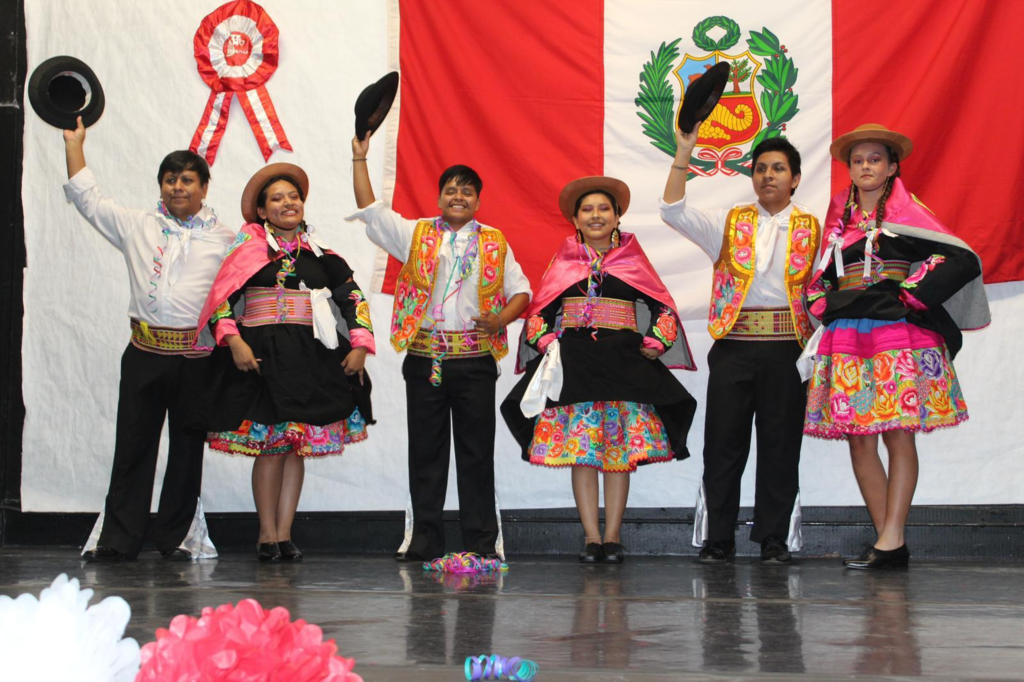
HUAYLASH
The Huaylash (or Huaylarsh) is a dynamic highland dance from the Mantaro Valley. It celebrates love, humor, and the vitality of rural life through fast-paced, competitive movements between couples — a joyful expression of Andean spirit and community pride.
HUAYLASH
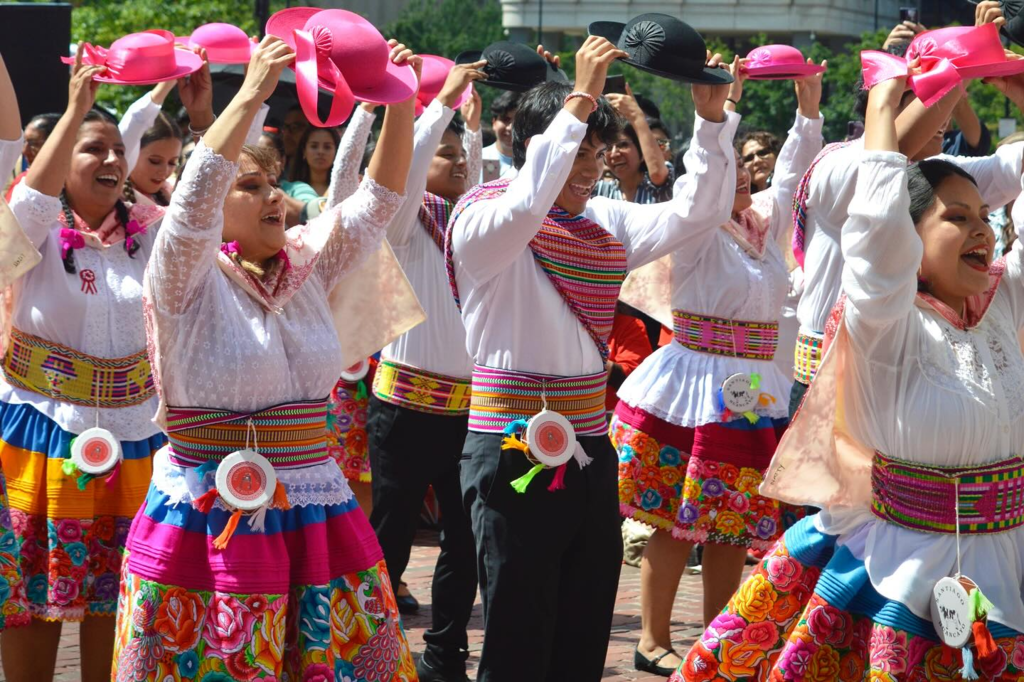
SANTIAGO
Also known as Tayta Shanti, Santiago is one of the most important traditional festivals in the Mantaro Valley. Thousands of dancers fill the streets to honor Pachamama — Mother Earth — in gratitude for abundance and fertility. Accompanied by lively brass bands, the dance radiates faith, joy, and communal celebration.
SANTIAGO
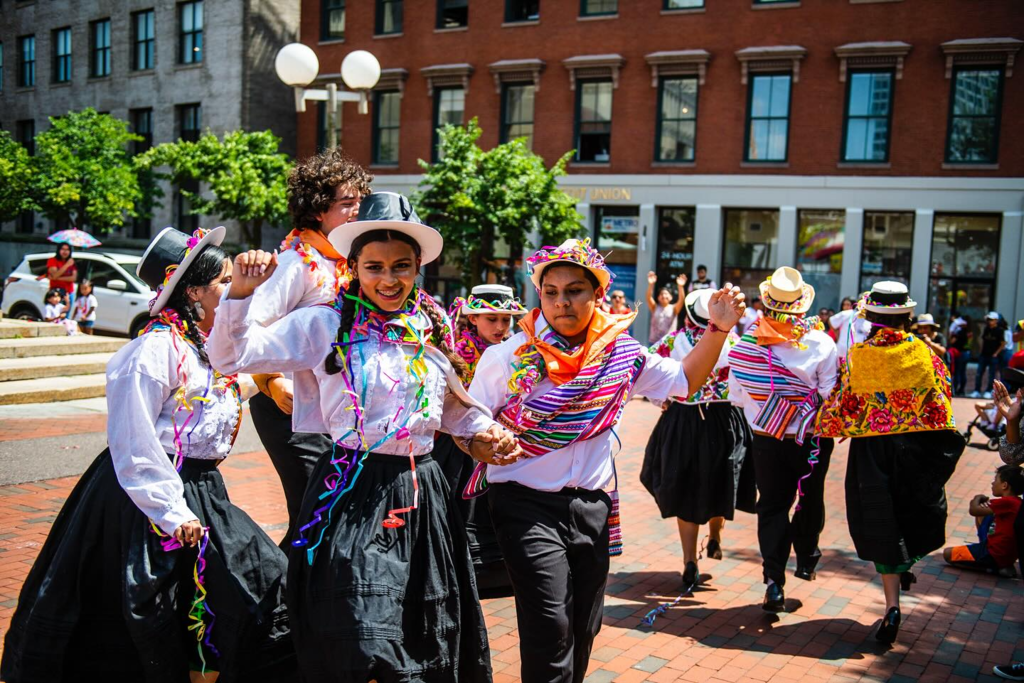
CARNAVAL MARQUENO
The Carnaval Marqueño, from the Andean region of Marcas, is distinguished by its rhythmic tap dancing and unique musical style. This joyful dance celebrates community and identity, standing out among Andean festivities for its intricate steps and vibrant costumes.
CARNAVAL MARQUENO
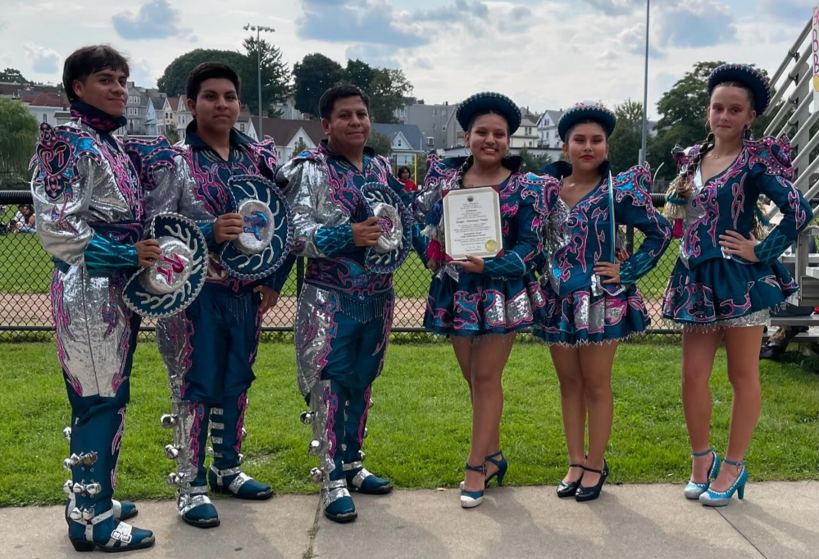
CAPORALES
Energetic, youthful, and full of charisma, Caporales embodies strength and elegance. Inspired by colonial-era foremen known as “caporales,” this dance blends Afro-Bolivian rhythms with modern style — a favorite among young performers for its power, passion, and athleticism.
CAPORALES

VALICHA
Valicha is a traditional highland dance that expresses the harmony between humans and nature. Through graceful and playful movements, dancers evoke the animals, crops, and celebrations that define Andean life — a vivid reflection of joy and connection to the earth.
VALICHA
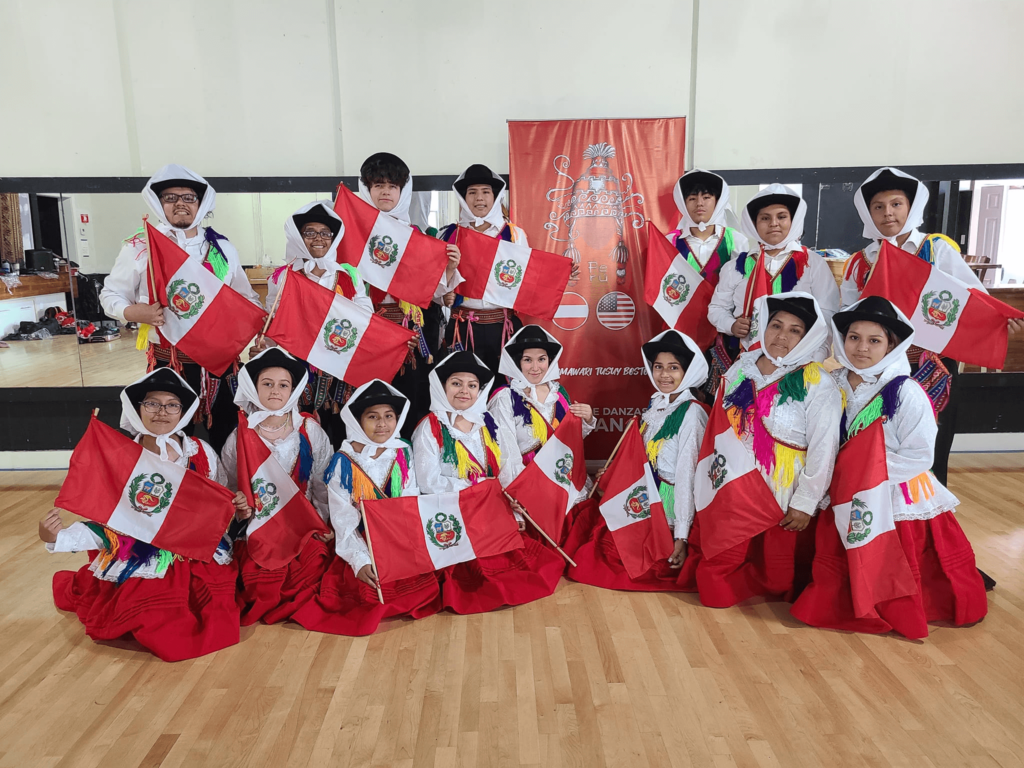
CARNAVAL DE ARAPA
From the district of Arapa in Puno, the Carnaval de Arapa (also known as Pujllay or Wiphala) celebrates youthful love and festivity. Dancers carry white flags symbolizing affection, performing agile steps that express courtship, joy, and the anticipation of marriage.
CARNAVAL DE ARAPA
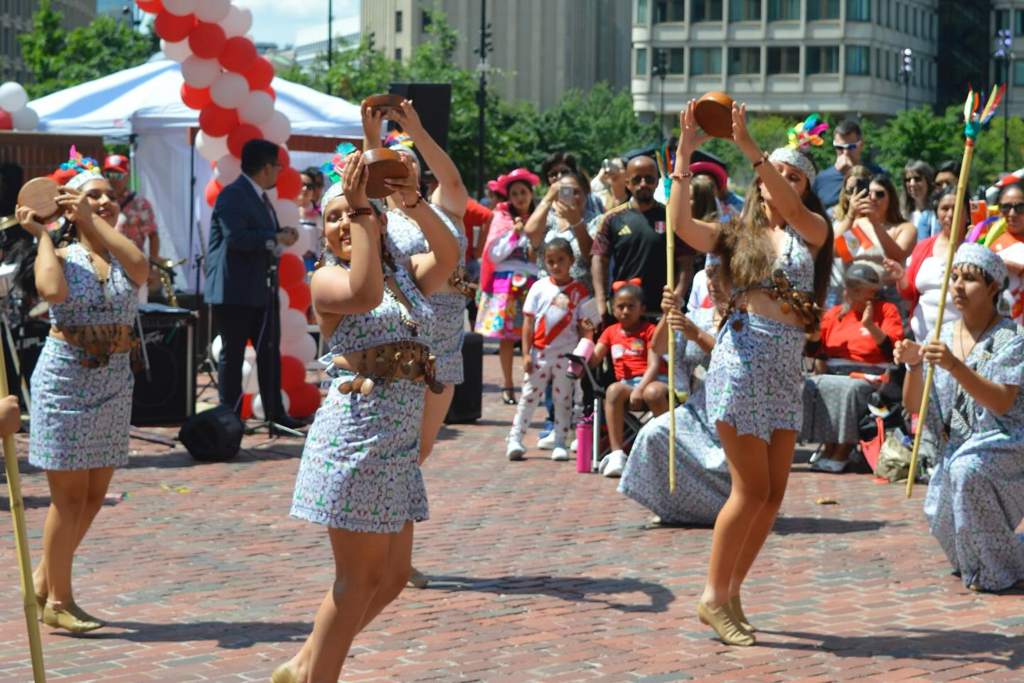
SELVA DANCES ( ANI SHEATI )
The Ani Sheati dance invites us into the mystical world of the Shipibo-Conibo people of the Peruvian Amazon. Through ritual movements and colorful attire, dancers honor their ancestors and depict key moments of their social and spiritual life — a living expression of jungle tradition.
SELVA DANCES ( ANI SHEATI )

DANZA ASHANINKAS
Performed by the Asháninka people of Satipo, Junín, this dance reflects daily life in the Amazon rainforest. Through rhythmic movements, it tells the story of men and women working together in harmony with nature — a celebration of community, tradition, and resilience.